
Thyroid care · Owasso, OK
Hypothyroidism treatment and thyroid optimization in Owasso and Tulsa
Hypothyroidism treatment at Pathway Health & Beauty goes past a single TSH number. If you are exhausted, gaining weight, cold all the time or losing hair, and you have been told your thyroid labs are "normal," we look deeper.
Tia Christ, APRN-CNP, runs a full thyroid panel, looks for Hashimoto's and the nutrient and hormone problems that travel with it, and builds a treatment plan you can feel. The clinic is in Owasso, a short drive from Tulsa, with telehealth across Oklahoma.
HSA and FSA accepted · Financing through Cherry

The basics
What is hypothyroidism?
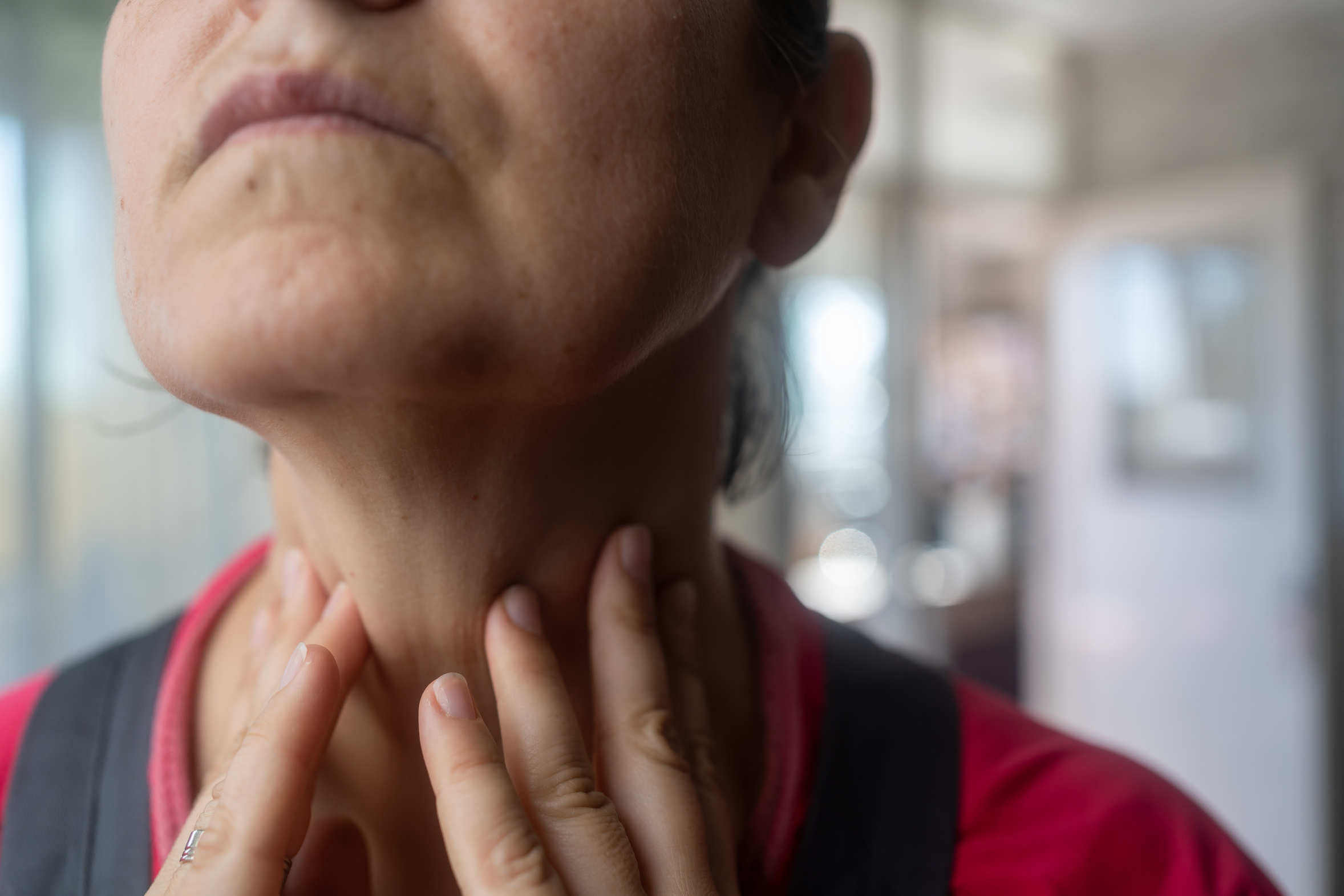
Hypothyroidism, or an underactive thyroid, means your thyroid gland is not making enough thyroid hormone. The thyroid is a small, butterfly-shaped gland at the front of your neck. Its hormones, thyroxine (T4) and triiodothyronine (T3), set the pace for your metabolism, heart rate, body temperature, digestion, mood and energy. When thyroid hormone runs low, nearly everything slows down.
About 5 in 100 Americans age 12 and older have hypothyroidism, and women are five to eight times more likely than men to develop thyroid disease, especially after pregnancy and around menopause.
In the United States, the most common cause is Hashimoto’s thyroiditis, an autoimmune disease in which the immune system slowly attacks the thyroid. Other causes include thyroid surgery, radioactive iodine, medications such as lithium and amiodarone, postpartum thyroiditis and pituitary problems.
Symptoms
Symptoms of hypothyroidism
Thyroid hormone affects gene expression and metabolic function in nearly every cell, so thyroid dysfunction shows up all over the body. Symptoms come on slowly, and many people blame them on age, stress or perimenopause. Common symptoms include:
Fatigue, brain fog and low mood
Needing more sleep, poor memory, trouble focusing, depression.
Weight gain and feeling cold
Trouble losing weight, feeling cold when others are comfortable, constipation, high cholesterol.
Hair, skin and nails
Dry skin, brittle nails, thinning hair and thinning outer eyebrows, a puffy face.
Periods, aches and heart rate
Heavy or irregular periods, trouble getting pregnant, muscle aches, joint pain and a slow heart rate.
It is not always the thyroid
Many of these symptoms overlap with low iron, low vitamin D, poor sleep and other hormone imbalances, which is why we test more than the thyroid.
Hormone and wellness lab testing →Testing
Comprehensive testing: why TSH alone is not the whole story
Most clinics check thyroid stimulating hormone (TSH) and stop there. TSH levels are the best single screening test, but they do not show how much active thyroid hormone you have or whether the thyroid autoimmunity behind Hashimoto's disease is at work. Comprehensive testing, along with your medical history and a physical exam, gives a clearer picture of thyroid function.
A high TSH with a low free T4 confirms hypothyroidism. A high TSH with a normal free T4 is called subclinical or mild hypothyroidism, and whether to treat it depends on your TSH level, antibodies, symptoms, age and plans for pregnancy. Positive antibodies with normal hormone levels mean early Hashimoto's thyroiditis, which we watch closely. If we feel a nodule, we order imaging tests such as a thyroid ultrasound.
Your thyroid panel usually includes
- TSH, the signal from the pituitary gland
- Free T4, the main hormone your thyroid makes
- Free T3, the active hormone that reaches thyroid receptors in your cells
- TPO (thyroid peroxidase) and thyroglobulin antibodies, to check for Hashimoto's disease
- Ferritin and iron, vitamin D and B12, to find nutrient deficiencies
- Sex hormones, blood sugar and cholesterol when symptoms point that way
Treatment options
Hypothyroidism treatment options
The goal of hypothyroidism treatment is to replace the thyroid hormone your body is missing, ease symptoms and bring your labs into a healthy range without overtreating.
| Levothyroxine (T4) | Liothyronine (T3) | Desiccated thyroid | |
|---|---|---|---|
| What it is | Synthetic T4, the standard treatment | Synthetic T3, the active hormone | Natural T4 and T3 from pig thyroid, such as Armour or NP Thyroid |
| How it is used | Once daily | Usually added to T4 | Once or twice daily |
| Best for | Most people with hypothyroidism | Ongoing symptoms on T4 alone | People who prefer it or do not feel well on T4 |
| Notes | Most studied, FDA approved | Short-acting, so dosing matters | Fixed T4 to T3 ratio, not first-line in major guidelines |
Medication
Levothyroxine, T3 and desiccated thyroid
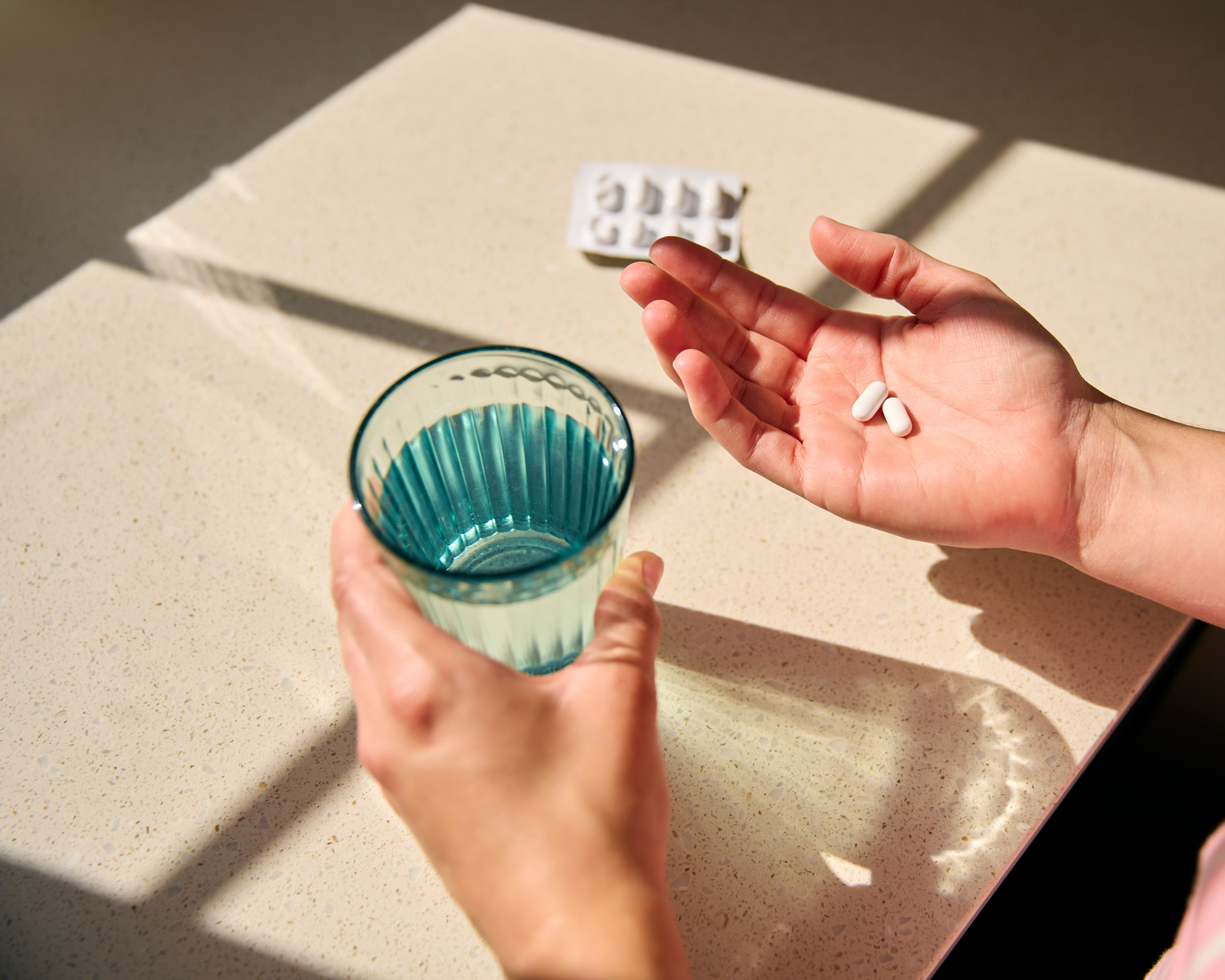
Levothyroxine is the first-line hypothyroidism treatment recommended by the American Thyroid Association, and most people feel much better once the dose is right. Take it on an empty stomach with water, 30 to 60 minutes before breakfast, and keep it four hours apart from calcium, iron and some antacids.
T3 and combination therapy. Some people still have symptoms with a normal TSH on levothyroxine. Joint guidance from the American, British and European thyroid associations says a trial of combination T4 and T3 is reasonable for some of these patients, with careful monitoring.
Desiccated thyroid contains both T4 and T3. Some patients prefer it. It is not a first choice in major guidelines because its T3 content is higher than the human body makes, but it can be reasonable with close lab follow-up.
Conventional and functional
Thyroid medication when you need it. Nutrition and lifestyle alongside it.
Tia is a Certified Functional Medicine Practitioner and a board-certified family nurse practitioner, so you get both sides in one plan.
Thyroid optimization
The functional medicine approach to thyroid health
Functional medicine does not replace thyroid medication when you need it. It works alongside it, looking at the risk factors, nutritional deficiencies, systemic inflammation and environmental factors that affect thyroid hormone production and how you feel. Some herbal remedies and thyroid support supplements contain thyroid hormone or large amounts of iodine, so bring everything you take.
Nutrients
Iron, vitamin D, B12 and selenium support thyroid hormone synthesis. Some studies suggest selenium can lower thyroid antibodies in Hashimoto's. An adequate supply of iodine is essential, but too much can make Hashimoto's worse, so we do not recommend high-dose iodine without testing.
Digestive health and food
Celiac disease and other autoimmune conditions are more common with Hashimoto's, so we may test for them. Some patients feel better avoiding gluten, though the research is mixed.
Chronic stress and sleep
Chronic stress and poor sleep affect the thyroid and adrenal axis and make fatigue worse, so stress management and sleep are part of the plan.
Sex hormones
Perimenopause, menopause and oral estrogen change thyroid hormone needs, so thyroid care often goes hand in hand with hormone replacement therapy and the rest of your women's health care.
Hormone replacement therapy for women →Safety
Risks of under- and overtreatment
Untreated hypothyroidism can raise cholesterol, strain the heart, cause infertility and pregnancy complications and, rarely, lead to a dangerous condition called myxedema. That is why we recheck TSH and free T4 about six to eight weeks after any dose change, then every six to twelve months once you are stable.
If your labs show hyperthyroidism, thyroid nodules, a goiter or anything that suggests thyroid cancer, or if you are pregnant with thyroid disease, we refer you to an endocrinologist and coordinate care.
Signs of too much thyroid hormone
- Anxiety, shakiness or feeling wired
- A fast or irregular heartbeat, including atrial fibrillation
- Trouble sleeping
- Heat intolerance and sweating
- Bone loss over time
Step by step
Thyroid care at Pathway
- 01
Free discovery call
A short call about your symptoms and past thyroid labs.
- 02
Full thyroid panel
TSH, free T4, free T3, antibodies and the nutrients that matter.
- 03
A 60-minute visit with Tia
Your labs, symptoms, medications and health history in plain language.
- 04
Your treatment plan
Medication if you need it, plus nutrition, supplements and lifestyle steps.
- 05
Follow-up and retesting
Labs about six to eight weeks after each change, until you feel like yourself.

Why Pathway
Why patients choose Pathway for thyroid care
- The full panel, not just TSH. You see your free T3, free T4 and antibodies.
- The same provider every time. Tia Christ, APRN-CNP, does every visit herself.
- Conventional and functional. FDA-approved medication when you need it, plus the nutrition and lifestyle side.
- Real time. First visits are 60 minutes.
- Close to home. Patients come from Owasso, Tulsa, Broken Arrow, Claremore, Collinsville and Skiatook.
Serving Tulsa County
Thyroid doctor near Tulsa, OK
Pathway Health & Beauty is at 7301 N Owasso Expy, Ste M115, Owasso, OK 74055, an easy drive from Tulsa. If you are searching for a thyroid doctor or thyroid specialist near you and do not want to wait months for an appointment, many of our patients make the short trip.
Patients anywhere in Oklahoma can start with a telehealth visit. See also functional medicine.
FAQ
Thyroid questions
What is the best treatment for hypothyroidism?
For most people, daily levothyroxine at the right dose is the best and most studied treatment. Some people with ongoing symptoms do better with added T3 or desiccated thyroid.
What causes hypothyroidism, and who is at increased risk?
The most common cause in the United States is Hashimoto's disease, one of the autoimmune thyroid diseases. Others include thyroid surgery, radioactive iodine, certain medications, iodine deficiency and congenital hypothyroidism in newborns. According to the National Institute of Diabetes and Digestive and Kidney Diseases, women, people over 60, people with a family history of thyroid disease or another autoimmune disorder, and women who were recently pregnant are at increased risk.
Can hypothyroidism be cured?
Hypothyroidism from Hashimoto's is usually lifelong, but it is very treatable. Thyroiditis after pregnancy or from some medications can be temporary.
Is Hashimoto's treatment different from hypothyroidism treatment?
Hashimoto's is the most common cause of hypothyroidism. If your thyroid hormone is low, treatment is the same. If you only have positive antibodies, we monitor your labs and focus on nutrients, gut health and stress.
Why do I still feel tired on thyroid medication?
Your dose may need adjusting, your free T3 may be low, or something else may be going on, such as low iron, low vitamin D, poor sleep or changing sex hormones. That is why we test more than TSH.
Can thyroid problems cause weight gain?
Yes. Hypothyroidism slows metabolism and can add some weight, much of it water. Treating it helps, but most people also need a nutrition plan. See our medical weight loss program.
Do you treat hyperthyroidism?
We can test for an overactive thyroid and help with symptoms, but we refer hyperthyroidism, nodules and thyroid cancer to an endocrinologist.