
Medical weight loss · Owasso, OK
Medical weight loss in Owasso and Tulsa
Medical weight loss at Pathway Health & Beauty is a medically supervised weight loss program built around your labs, your hormones and, when it makes sense, GLP-1 medications like semaglutide and tirzepatide.
Tia Christ, APRN-CNP, looks for the reasons weight is not moving, including thyroid problems, insulin resistance, perimenopause and low testosterone, then builds a plan with medication, nutrition, strength training and regular check-ins. The clinic is in Owasso, a short drive from Tulsa, with telehealth across Oklahoma.
HSA and FSA accepted · Financing through Cherry

The basics
What is medical weight loss?
Medical weight loss is a weight management program supervised by a licensed healthcare provider, here a nurse practitioner. Instead of a one-size-fits-all diet, it combines a review of your medical history and health history, lab work, FDA-approved prescription drugs when appropriate, nutrition guidance and lifestyle coaching. The goal is lasting weight reduction that improves your overall health and long-term health, not just a smaller number on the scale.
Obesity is a chronic disease, not a lack of willpower. The hormones behind weight regulation, insulin resistance, poor sleep, stress, certain medical conditions and medications, and menopause all cause weight gain and make it harder to lose excess weight and keep it off. A personalized approach treats those causes directly.
You may be a good candidate if
- Your BMI is 30 or higher, or 27 or higher with a weight-related condition such as high blood pressure, type 2 diabetes, prediabetes, high cholesterol or sleep apnea
- You have tried diet and exercise on your own and the weight keeps coming back
- You gained weight in perimenopause or menopause without changing your habits
- You want medical guidance and accountability, not another app
These match the FDA guidelines for Wegovy and Zepbound, the weight loss drugs approved for chronic weight management. If you do not meet them, we can still help with nutrition, hormones and metabolic health.
Labs first
Finding what is behind the weight
Before we prescribe anything, we run lab work. Your results shape your personalized treatment plan and help us keep medication safe.
Insulin and blood sugar
Fasting glucose, insulin and A1C, to look for insulin resistance and prediabetes.
Sex hormones
Perimenopause, menopause and low testosterone all change where and how you gain weight.
Menopause and perimenopause →Organs and nutrients
Lipids, kidney and liver function, vitamin D, B12 and ferritin.
Hormone and wellness lab testing →GLP-1 weight loss
GLP-1 weight loss medications
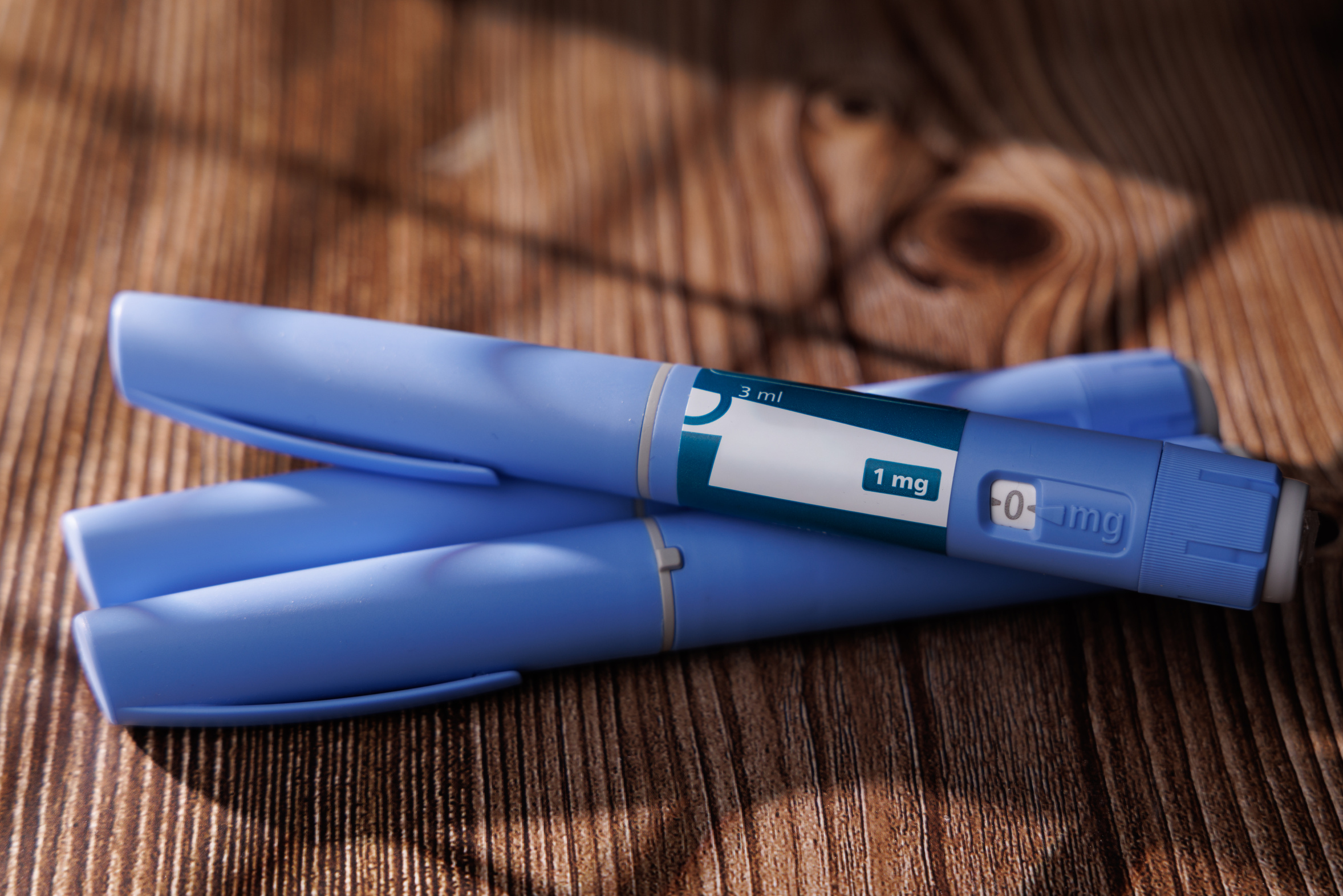
GLP-1 medications are the most effective weight loss medications available today. They mimic natural gut hormones that tell your brain you are full, slow how fast your stomach empties and help control blood sugar. Both start at a low dose and increase slowly over several months to reduce side effects. Results vary from person to person.
| Semaglutide | Tirzepatide | |
|---|---|---|
| Brand names | Wegovy (weight loss), Ozempic (type 2 diabetes) | Zepbound (weight loss), Mounjaro (type 2 diabetes) |
| How it works | GLP-1 receptor agonist | Dual GIP and GLP-1 receptor agonist |
| How it is taken | Once-weekly injection | Once-weekly injection |
| Average weight loss in major trials | About 15% of body weight over 68 weeks | About 15% to 21% over 72 weeks, depending on dose |
| Learn more | Semaglutide in Owasso | Tirzepatide in Owasso |
Your options
Brand-name and compounded GLP-1s
Wegovy and Zepbound are FDA approved for chronic weight management. During the national shortage, compounded semaglutide and tirzepatide were widely used. Both shortages officially ended in 2025, and compounded versions are not FDA approved, so their quality and dosing are not reviewed by the FDA.
Tia will explain which options are available to you, what each costs and the trade-offs, so you can make an informed choice. Some patients also add peptide therapy as part of their plan.
Medication is one tool
Labs, medication, protein and strength, together.
That is how you lose weight and keep the muscle that keeps it off.
Safety
Side effects and safety
The most common side effects of GLP-1 medications are nausea, vomiting, diarrhea, constipation, abdominal pain, heartburn and fatigue, usually mild and worse in the first weeks or after a dose increase. Decreased appetite is the point, but delayed gastric emptying can make large or fatty meals uncomfortable. Injection site reactions are usually mild. Eating smaller meals, stopping when you feel full and drinking enough water help.
GLP-1 medications are not used if you have a personal or family history of medullary thyroid carcinoma or multiple endocrine neoplasia type 2 (MEN 2), or during pregnancy. Tirzepatide can make birth control pills less effective for four weeks after starting and after each dose increase, so a backup method is recommended.
Protecting muscle while you lose weight
Fast weight loss can take muscle mass with it, not just body fat. Every plan includes a protein target, usually spread across three meals, and strength training two to three times a week. Muscle keeps your metabolism up, protects your bones and helps you keep the weight off.
Less common but serious risks
- Pancreatitis
- Gallbladder problems, including gallstones
- Low blood sugar in people who also take insulin or sulfonylureas
- Kidney problems from dehydration
- Possible thyroid C-cell tumors, seen in animal studies

Beyond medication
Nutrition, movement and lifestyle changes
Medication works best as part of a bigger plan. Your weight loss plan may include:
- A realistic protein-first eating plan with plenty of fiber, fruits and vegetables
- Strength training and daily walking
- Sleep and stress strategies, since poor sleep raises hunger hormones
- Treating hormone imbalances, such as perimenopause, menopause or low testosterone
- Quality supplements through Fullscript when labs show a need
Step by step
Medical weight loss at Pathway
- 01
Free discovery call
Your goals, your history and what has not worked.
- 02
Labs
A metabolic, thyroid and hormone panel so your plan is based on data.
- 03
A 60-minute visit with Tia
Labs, medical history, medications and habits, and every weight loss option.
- 04
Your weight loss plan
Medication if appropriate, plus nutrition and strength goals you can keep.
- 05
Regular follow-up
Dose changes, side effect help and body composition tracking.
The long term
What happens when you stop a GLP-1?
Most people regain some weight after stopping GLP-1 medications, because hunger comes back. Building muscle, eating enough protein and changing habits while you are on medication helps you keep more of the weight off. Some people stay on a lower maintenance dose. With ongoing support and ongoing monitoring, we plan the long term of your weight loss journey with you from the start.
Cost
What medical weight loss costs
Cost depends on the medication, the dose and whether insurance covers it. Brand-name GLP-1s are often covered for type 2 diabetes, but coverage for weight loss varies by plan. Members of our Elite Health & Hormone Plan get 10% off weight loss services. We accept HSA and FSA cards and offer financing through Cherry. Your price is set before you start, with no surprise bills.

Why Pathway
Why patients choose Pathway for medical weight loss
- The same provider every time. Tia Christ, APRN-CNP, does every visit herself.
- Labs first. Thyroid, insulin and hormones are checked before medication.
- Hormones and weight together. Perimenopause, menopause and low testosterone are part of the plan.
- Muscle matters. Protein and strength goals are built in.
- Close to home. Patients come from Owasso, Tulsa, Broken Arrow, Claremore, Collinsville and Skiatook.
Serving Tulsa County
Weight loss clinic near Tulsa, OK
Pathway Health & Beauty is at 7301 N Owasso Expy, Ste M115, Owasso, OK 74055, an easy drive from Tulsa. If you are searching for medical weight loss or a weight loss clinic near you that looks at the whole picture, many of our patients make the short trip.
Patients anywhere in Oklahoma can start with a telehealth visit. See also hormone replacement therapy for women.
FAQ
Medical weight loss questions
How much weight can I lose with medical weight loss?
It depends on the medication, your dose, your starting weight and your habits. In major trials, people lost about 15% of body weight on semaglutide and about 15% to 21% on tirzepatide over roughly a year and a half.
Do GLP-1s have health benefits beyond weight loss?
Yes. In clinical trials, GLP-1 medications improved blood sugar, blood pressure and cholesterol. Wegovy is FDA approved to lower the risk of heart attack and stroke in adults with heart disease and to treat metabolic dysfunction associated steatohepatitis (MASH), Ozempic is approved to slow chronic kidney disease in people with type 2 diabetes, and Zepbound is approved for moderate to severe obstructive sleep apnea with obesity. Research in heart failure is ongoing.
How does your medical weight loss program work?
The program works in steps: labs, a 60-minute visit, a personalized treatment plan built around your health goals and weight loss goals, then regular check-ins. Healthcare professionals agree that medication plus nutrition, strength training and ongoing monitoring leads to greater weight loss than any one piece alone. If a compounded medication is part of your plan, we explain where it comes from, since compounded medications made by compounding pharmacies are not FDA approved.
Do I have to take a GLP-1 to do medical weight loss?
No. Some patients do well with nutrition, strength training and treating hormone or thyroid problems. Medication is one tool, not a requirement.
Can I do medical weight loss through telehealth?
Yes. Patients anywhere in Oklahoma can start with a telehealth visit. Labs are drawn locally.
Will I lose muscle on semaglutide or tirzepatide?
Some of the weight lost on any diet is muscle. Eating enough protein and strength training two to three times a week help protect it.
Does insurance cover weight loss medication?
Some plans cover Wegovy or Zepbound for weight loss, and many cover Ozempic or Mounjaro for type 2 diabetes. We will help you check and give you a self-pay price if needed.
Is medical weight loss safe during menopause?
Yes, for most women. Menopause makes weight loss harder, and treating hormone changes and protecting muscle become even more important.
From the blog
Related guides
Weight loss
Semaglutide vs Tirzepatide: Which Weight Loss Shot Is Right for You?
How the two weekly shots work, what head-to-head research shows, side effects, cost and how to choose.
Read the guide →Hormones
Hormone Testing for Women: Which Tests You Need and When
The main tests in a female hormone panel, when in your cycle to test, and what blood, saliva and urine tests can tell you.
Read the guide →Functional medicine
What Is Functional Medicine? How It Works and Who It Helps
How a root-cause approach differs from conventional care, what a visit involves and what the research shows.
Read the guide →